


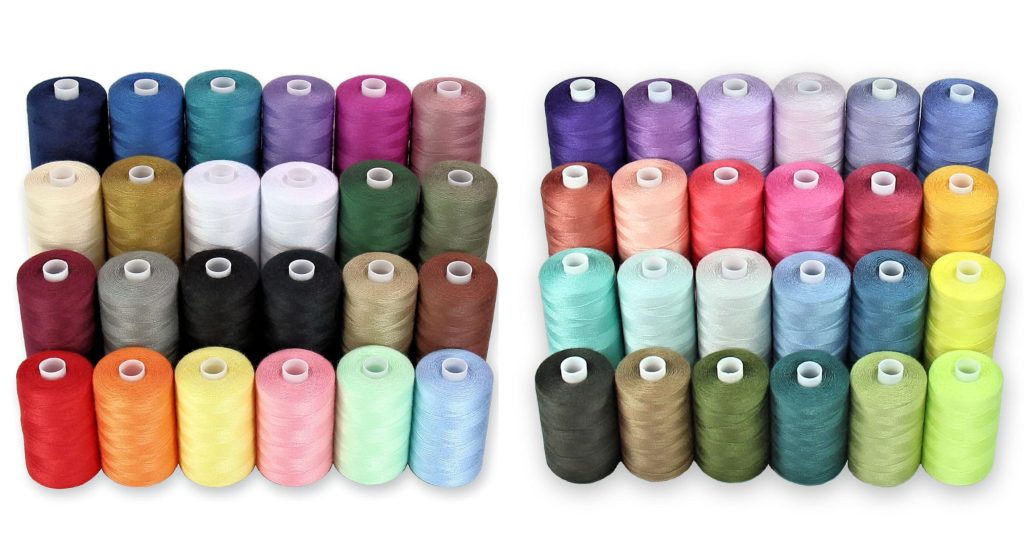
The fashion industry is becoming more and more sustainable as the fashion brands and consumers realize the necessity to prolong the life of their clothing. Fabric quality, fabric design, and craftsmanship are very attention-grabbing, but what is not broadly discussed is the sewing thread. The use of advanced sewing threads in the industry of apparel manufacturing has proved to be a necessity with their high tensile strength, durability, and repairability. These threads also strengthen the textile’s ability to hold together and increase the effectiveness of a repair if there is a hole or a tear in the material, which would otherwise probably go to waste.
The emergence of advanced sewing thread technologies is becoming more than just a practical solution for manufacturers looking to align with consumer expectations for quality and sustainability—it’s becoming an environmentally responsible one, too.
Table of Contents
The Role of Sewing Threads in Garment Durability
Sewing threads are constantly under tension due to garment component movement caused by stretching, laundering, rubbing, and normal use. When the thread breaks off before the fabric has finished, most of the fabric is fine, but the garment is not.
The advanced sewing threads are developed with high-performance fibers like polyester, nylon, core-spun, and recycled synthetic fibers. The tensile strength, elasticity, and environmental resistance of these threads are much higher than those of the conventional threads.
Seaming, which is strong, durable, and thorough, helps garments hold up over time and minimize the need to replace garments prematurely due to seam failures.
Enhancing Repairability Through Stronger Seams
A new factor that’s become significant in sustainable fashion is the ease of repair. Repairability features in garments are built to make repair easier, so the garment isn’t thrown away because of damage to one part.
Advanced sewing threads support repairability by:
- Seam integrity of changes.
- Avoiding the risk of thread snapping when the stitches are opened.
- Being able to repair even if it doesn’t damage the other sections of fabric.
- Use of multiple cycles as repairs on the garment throughout its lifetime
Improved Resistance to Washing and Wear
One of the leading reasons for seams wearing down is frequent laundering. Normal threads are weakened over time by heat, detergents, moisture, and mechanical manipulation, causing loose stitching and failure of the seams.
Advanced sewing threads are specially engineered to resist:
- Shrinkage
- Color fading
- Chemical exposure
- Moisture absorption
- High-temperature washing
- Repeated tumble drying
Such properties enable clothes to remain the garments they were when used thousands of times, thus decreasing the need for repair and prolonging the existence of the product.
Supporting Sustainable Fashion Goals
The most effective way of reducing fashion waste is through clothing longevity. The longer a garment is worn, the less the environmental footprint of a new garment.
Advanced sewing threads promote sustainability by:
- Reducing seam failures
- Minimizing repair frequency
- Extending garment lifespan
- Lowering textile waste
- Conserving raw materials
- Minimizing replacement production carbon emissions
There are now several manufacturers that make sewing threads with recycled polyester, made from post-consumer plastic bottles that are long-lasting and eco-friendly.
High Abrasion Resistance for Everyday Clothing
Underarms, cuffs, pockets, waistbands, knees, elbows, and other parts of the body are vulnerable to constant rubbing during use. Standard threads tend to deteriorate more in these areas of impact.
Consequently, abrasion-resistant threads are ideal for:
- Denim
- School uniforms
- Outdoor apparel
- Sportswear
- Workwear (para-aramid thread, fire-retardant sewing thread)
- Children’s clothing
The advantages of these include extended durability of seams and reduced need for repairs over time.
Better Elastic Recovery in Stretch Garments
Stretch textiles include spandex, elastane, and knits. More and more, modern clothing uses stretch fabrics. Standard threads might not be elastic enough, which can result in seam popping when clothing stretches.
Advanced elastic sewing threads offer:
- Greater flexibility
- Improved stitch recovery
- Reduced seam puckering
- Better comfort
- Increased durability
The performance of these threads is consistent and allows the fabric movement of such repair garments.
Better Professional Altering and Fixing
Tailors and repair workers frequently have to resize, patch, or reinforce garments. The use of high-quality sewing threads helps to make these tasks easier and ensure consistent stitch quality and fray-free sewing edge when taking off the stitches.
Advantages include:
- Cleaner stitch removal
- Reduced fabric damage
- Improved matchup with repair stitching
- Stronger replacement seams
- Professional finishing quality
This is particularly useful for long-lived threads such as those for high-quality clothing, uniforms, and designer garments.
Consistent Performance Across Different Fabrics
Today, a variety of materials such as cotton, polyester, denim, fleece, leather, and technical textiles are usually manufactured together in a single garment. Sewing threads need to move effectively over all these different materials.
Advanced threads are designed to deliver:
- Uniform stitch appearance
- Balanced tension
- Low friction while sewing
- Excellent knot security
- Minimal seam distortion
These characteristics allow these properties to mix in and be complementary to the original construction while keeping the garments strong.
Cost Benefits for Manufacturers and Consumers
Advanced sewing threads, even though they are more costly than basic alternatives, bring about big long-term reductions in cost.
The positive impacts for manufacturers are:
- Lower warranty claims
- Fewer production defects
- Improved product reputation
- Reduced quality control issues
For the consumer, the benefits of choosing durable seams are the following:
- Fewer repair expenses
- Longer garment life
- Better value for money
This is an ideal change to consider in the entire clothing production lifecycle because of the performance and cost-effectiveness factors.
Supporting Circular Fashion and Repair Culture
The fashion business is evolving toward circular business models that focus on repairing, reselling, refurbishing, and recycling. Durable sewing threads play an important role in enabling these practices.
Garments constructed with high-performance threads are more suitable for:
- Professional repairs
- Second-hand resale
- Clothing rental services
- Upcycling projects
- Refurbishment programs
The use of advanced sewing threads makes clothing more reparable, thereby lowering the amount of waste and promoting the longer lifespan of garments.
Future Innovations in Sewing Thread Technology
The future of sewing threads promises to bring in exciting technology that will use materials and innovations that are more sustainable and of value to the garment’s durability. Emerging developments include:
- Bio-based high-performance fibers
- Eco-friendly durable thread materials
- Upcycled high-quality polyester yarns
- Antimicrobial sewing threads
- UV-resistant thread technologies
Such developments will keep enhancing the durability of garments while also contributing to the efforts of the global movement towards sustainability.
Conclusion
Sewing threads are much more than the medium of sewing; they are an essential part of the quality, repair, and durability of garments. Their strength, resistance to abrasion, greater elasticity, and washability help garments last longer with regular use and make them easier to repair and more likely to work.
In the era of sustainable production and circular fashion, manufacturers should invest in high-quality sewing threads that can sustain the aesthetic appeal and usefulness of their product over time. Brands can create more durable garments that will help consumers and the environment and lead to a more sustainable fashion future by using advanced thread technologies.